Tea Cultivators and Climate Adaptation
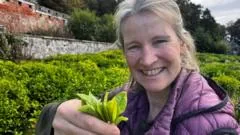
Susie Walker-Munro, one of the few tea growers in Scotland, highlights how the unique climate and soil conditions there can support tea cultivation. This adaptation to changing environmental conditions showcases the resilience of agricultural practices in response to global changes.[1]
Galactic Puzzles and Cosmic Evolution
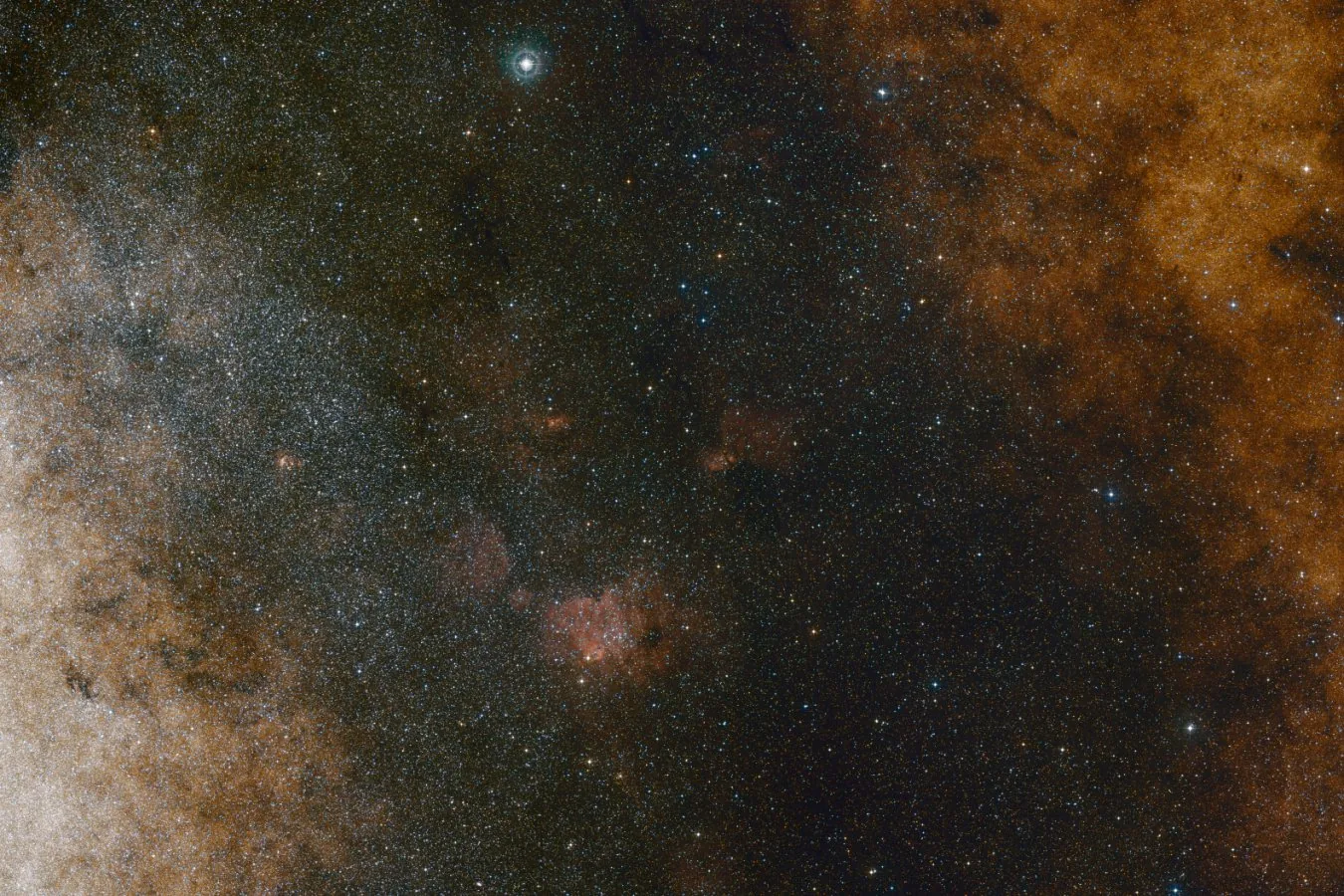
The discovery of the ancient galaxy XLSSC 122 challenges our understanding of cosmic evolution. Studying such galaxies provides insights into the formation and development of structures in the universe, which can inform future research on climate change and other cosmic phenomena.[2]
Preserving Ancient Trees Through Cloning
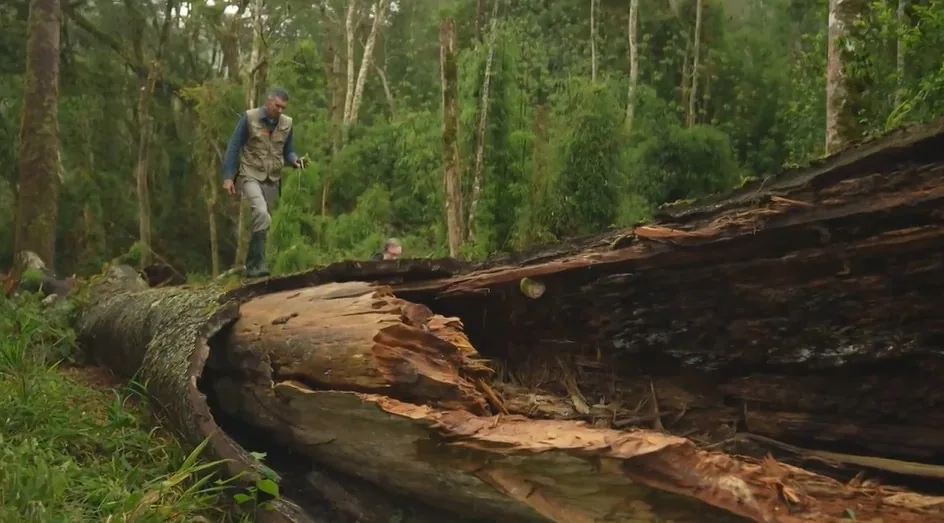
The fall of an ancient pine tree in Brazil has led to a scientific rescue mission aimed at cloning it to preserve its genetic material. This effort not only preserves a piece of history but also contributes to biodiversity conservation.[3]
Threats to Peatlands and Biodiversity
The ongoing threat to peatlands in Borneo due to wildfires highlights the importance of preserving these ecosystems. Peatlands play a crucial role in carbon storage and maintaining biodiversity, making their protection essential for global ecological balance.[4]
Microfossils Reveal Marine Life After Ice Ages
Microfossils found in rocks in China provide evidence of marine life communities that thrived after extreme glaciation periods. These findings offer valuable insights into past environmental conditions and could inform current efforts to understand and mitigate climate change impacts.[9]
Advancements in Environmental Monitoring
The use of drones in detecting hidden wildfires in the Cairngorms demonstrates the innovative approaches being taken to monitor and manage natural disasters. Such technologies can improve response times and reduce damage from environmental hazards.[7]
Global Challenges and Scientific Solutions
While many of these discoveries focus on specific regions or phenomena, they collectively highlight the interconnectedness of global environmental issues. Advances in science, such as the development of new sensors and nuclear clocks, can contribute to addressing these challenges more effectively.[10][13]
Fontes e leia também
- Tea Cultivation in Scotland: A Potential Future Crop
- Galáxia em formação antiga desafia compreensão sobre evolução cósmica
- Árvore gigante de até 500 anos cai em SC, e cientistas tentam cloná-la para preservar seu DNA
- Peatlands em perigo: incêndios devastam áreas úmidas de Borneu
- Descoberta revela como a Terra manteve oxigênio há 2,3 bilhões de anos
- Bichos-pregos usam sistema inovador para injetar veneno
- Drones ajudam a localizar incêndios ocultos nos Cairngorms
- Investigadores discutem possibilidade de consciência em chatbots
- Microfósseis revelam comunidades marinhas após a Era Glaciar
- Novo sensor detecta atração gravitacional de objetos minúsculos
- Alerta para inundações na primavera
- Economistas americanos ganham prêmio Nobel pela modelagem de estabilização econômica
- Vienna scientists develop world's first self-stabilizing nuclear clock
- Conservacionistas alarmados com mortes de mamíferos marinhos em parques espanhóis





Comentários (0)
Entre ou cadastre-se para comentar.