
Every great economic era has been defined by a fight over a single resource. In the 19th century, it was coal, and the British Empire was built on top of it. In the 20th century, it was oil, and the modern Middle East and American postwar dominance were both shaped by who controlled the flow.
In the early 21st century, semiconductors became the world’s most critical asset, sparking the rise of Taiwan, growing trade tensions with China, and the creation of several multi-trillion-dollar tech giants. The next fight is already underway, and almost nobody is talking about it in those terms yet. The resource in contention this time is electricity.
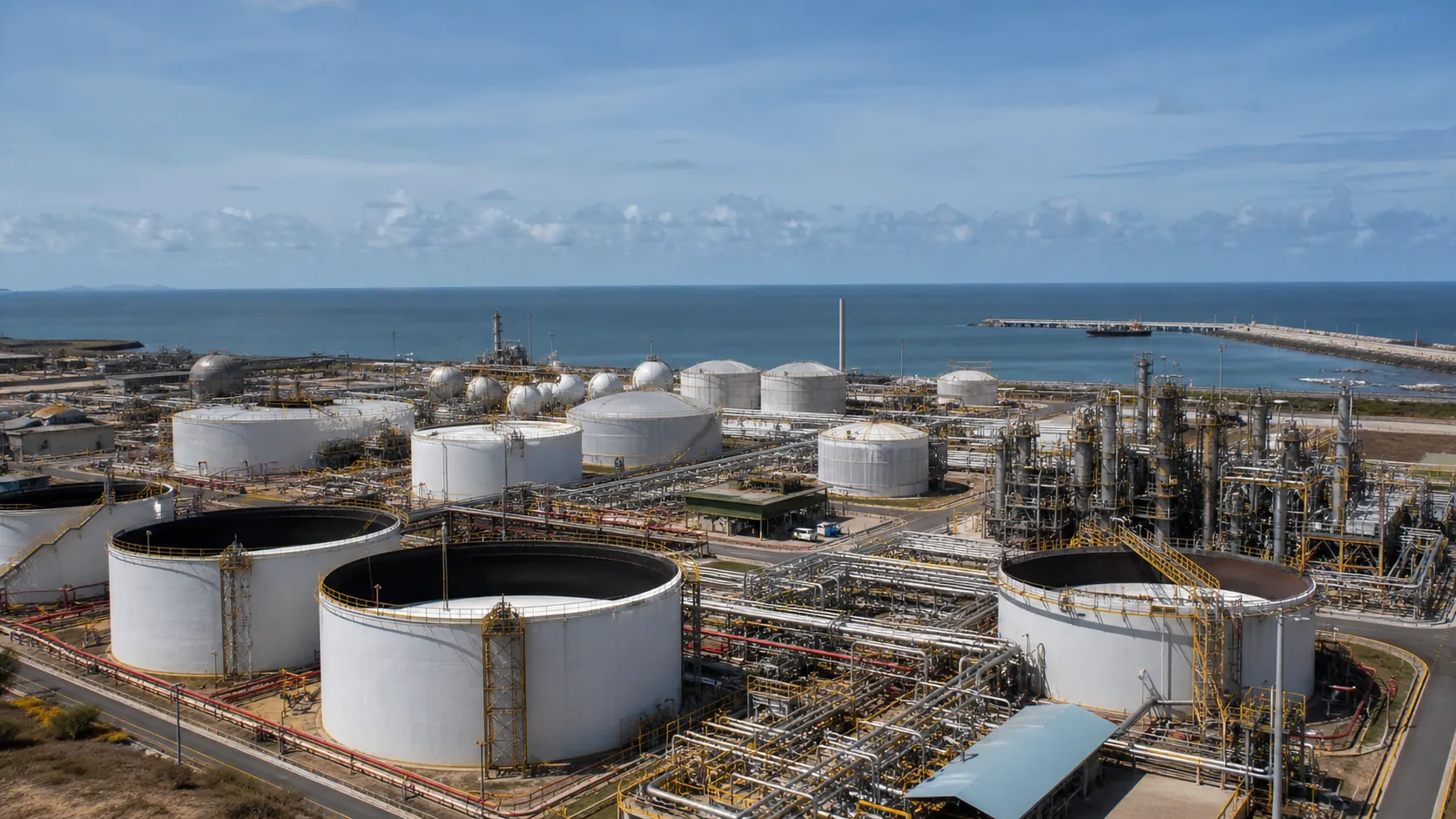
Specifically, the kind of clean, secure, large-scale electricity that AI workloads consume by the gigawatt. The companies that control electricity may likely be able to dictate terms to the rest of the AI economy for the next two decades. The countries that hold it are about to find themselves with strategic leverage they have not enjoyed in a century.
And the small handful of players who locked in AI-grade power capacity before the surge may soon look very different from what they do today. One of these players is Bitzero Holdings Inc. (NASDAQ: AIBZ), a Canadian-listed Bitcoin miner with infrastructure across Scandinavia and in the United States that just signed a binding letter for a 15-year, $2.6 billion lease to host enterprise AI workloads at its Norway site.
The deal is one of the early visible moves in a war that is going to define the next era of the global economy. The Resource That Decides the AI Century To understand why power has become the new strategic chokepoint, start with what the AI economy actually consumes. A single ChatGPT query consumes roughly 10 times the energy of a Google search.
Training the next generation of large language models requires the equivalent power draw of small cities. Industry forecasts from McKinsey now put AI data center capital expenditure at roughly $5.2 trillion between now and 2030. Goldman Sachs Research projects global data center power demand will surge up to 165% by 2030 compared to 2023 levels.
That kind of growth has no historical analog. The closest comparison is the early industrial era, when entire economies reorganized around coal. The difference is speed.
The industrial revolution played out over a century. The AI buildout is being attempted in a decade. The world simply does not have enough clean, reliable, large-scale electricity to deliver on what the AI industry is promising.
Not in the United States. Not in Europe. Not in Asia.
The shortage is everywhere, and the timeline to fix it through new generation, transmission, and interconnection runs ten to fifteen years at a minimum. Which means the people who already hold AI-grade power capacity, in the right jurisdictions, with the right cost structure, are sitting on something that the rest of the AI economy needs and cannot replicate. That is the definition of a strategic asset.
And a fight over a strategic asset is the definition of a war. The war is being fought on four fronts. Each one matters in its own right.
Together, they explain why the AI power economy of 2035 is being decided right now.







Comentários (0)
Entre ou cadastre-se para comentar.