Nigeria’s Dangote refinery ran at… Hess has retired 12.5 million… Iraq just bought itself another year. Turkey and Iraq are expected to sign a 12-month extension of the agreement governing the Iraq-Turkey crude oil pipeline within days, preventing a July 27 expiration that threatened one of Baghdad's few remaining viable oil export routes. Turkish Energy Minister Alparslan Bayraktar said the agreement is in its final stages and will ensure crude continues flowing from Iraq to the Mediterranean export terminal at Ceyhan.
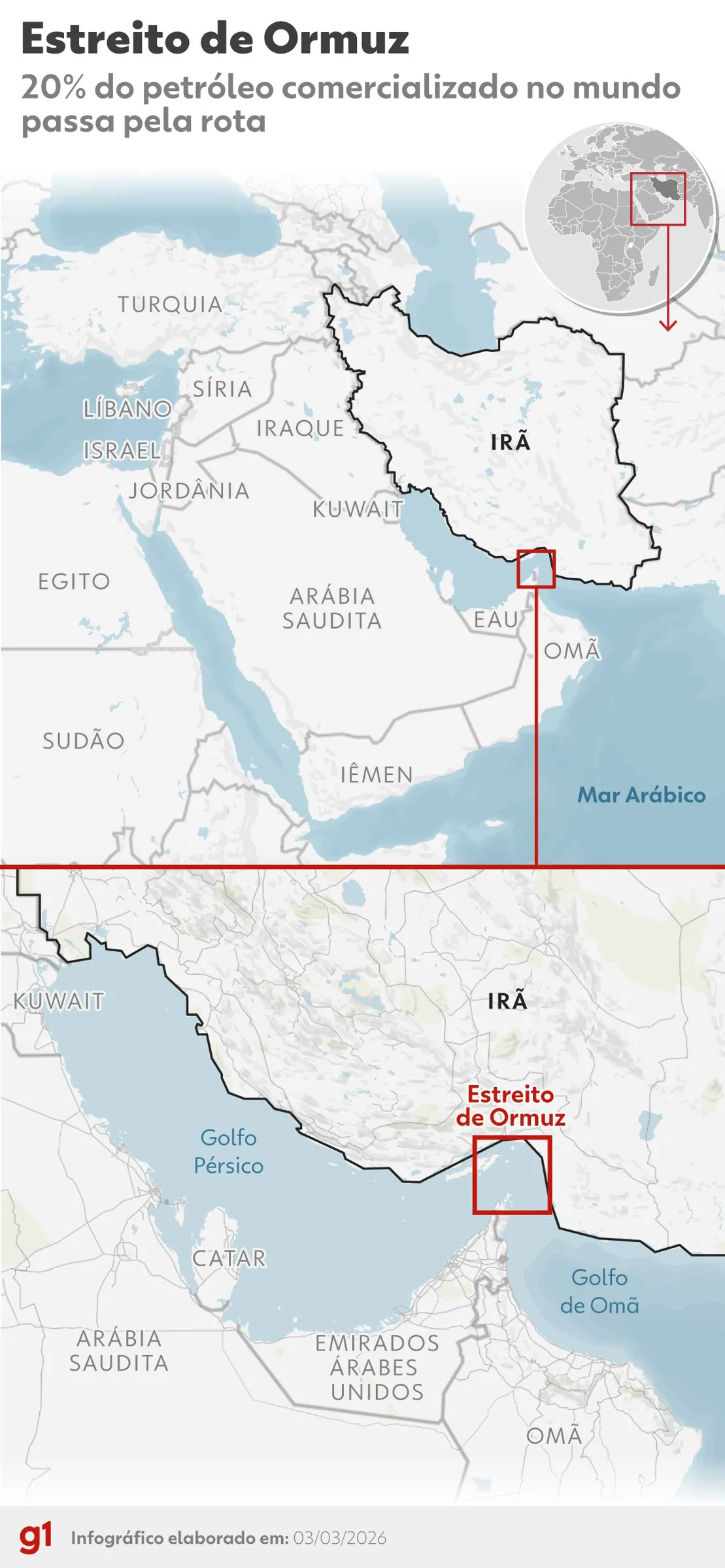
It's only a one-year extension, but right now that's enough. Before the Iran war, the pipeline was important. After the Strait of Hormuz effectively shut down for months, it became indispensable.
With most of Iraq's southern exports trapped in the Gulf, Baghdad was forced to slash production, fill storage tanks, and scramble to revive northern export infrastructure that had sat largely idle for years. The Ceyhan route quickly transformed from a secondary export option into one of Iraq's few economic lifelines. Baghdad has spent recent weeks talking up plans to raise production to 7 million barrels per day within three years while simultaneously courting additional Western investment in its oil sector.
None of those ambitions matter much if Iraq can't reliably move crude to market. The pipeline itself has had a turbulent few years. It remained offline for more than two years after an arbitration court ordered Turkey to pay Baghdad $1.5 billion over unauthorized Kurdish oil exports between 2014 and 2018.
Flows only resumed late last year, making the looming expiration of the decades-old transit agreement another unwelcome source of uncertainty. The extension doesn't solve Iraq's export problem, but it does make it tomorrow’s problem instead of today’s. Longer term, Baghdad still needs alternatives to Hormuz, expanded pipeline capacity, and a more resilient export network if it hopes to insulate itself from future regional disruptions.
For now, with oil still accounting for roughly 90% of government revenue and export options limited, keeping crude flowing to Ceyhan is a matter of economic survival. By Julianne Geiger for Oilprice.com More Top Reads From Oilprice.com What I Cover Julianne Geiger is a veteran energy journalist and market analyst with more than a decade of experience covering the global oil and…







Comentários (0)
Entre ou cadastre-se para comentar.