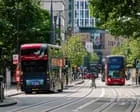
Single bus fares across England will be capped at £2 from January, Andy Burnham has announced, as he continues a cost of living blitz in his first week as prime minister. The nationwide cap is currently set at £3 until the end of March 2027, although some areas – including London and Greater Manchester, where Burnham set a £2 limit as mayor – have lower top rates for single tickets. The £2 cap reverses an increase put in place by Keir Starmer and Rachel Reeves in 2024, and will be in place throughout 2027.
The same cap was in place between January 2023 and December 2024, but the former prime minister and chancellor argued it was not affordable. Some metro mayors, including Burnham, decided to fund an extension of the lower limit in their areas. “Good, affordable transport links are an essential.
No one should be priced out of those and left behind,” Burnham said on Wednesday. “But for too long people have said that cheaper transport isn’t an option. I don’t accept that.
I’ve done it before and I will do it again now: a £2 cap on bus fares for millions across the country. Lower fares will help people get to where they need to – giving them breathing space to help with the cost of living.” The bus fare cap scheme, which will apply across all of England except London, is expected to cost more than £500m, with money allocated to allow devolved governments to take similar action. Around £400m of that will come from switching investment in international climate finance to loans, with the rest from savings in the budget of the Department for Energy Security and Net Zero and about £50m from Department for Transport funding already set aside for buses.
The transport secretary, Heidi Alexander, said the change was “about giving people a little bit of breathing space and help with the cost of living”. She told BBC Radio 4’s Today programme that it was “a signal of intent and shows you the direction of travel of the government under Andy Burnham”. Alexander insisted the bus fare cap scheme was fully funded.
“There is £454m of reprioritising money, it’s switch spending,” she told BBC Breakfast. “We’re not going to be giving those grants to international climate projects in other countries. We’re going to be making those loans instead, so that money comes back.” She also insisted the cut to VAT on domestic electricity bills was properly financed.
On Tuesday, Burnham said he would pay for the VAT cut by scrapping the government’s digital ID scheme, but the former cabinet minister Darren Jones said the money for that scheme had not yet been identified. Speaking on BBC Breakfast, Alexander said it was “not true to say the money isn’t there to implement the changes on electricity bills”. “The Office for Budget Responsibility said that implementing the digital ID programme was going to cost £1.8bn, about £800m of that money is actually going to be used to fund that change to cutting VAT off energy bills,” she said.
Burnham said the removal of VAT from electricity bills would reduce them by an average of £45 a year from October. The Trades Union Congress general secretary, Paul Nowak, welcomed the measures but called for Burnham to tax profits made by banks and introduce a “social tariff” to boost living standards.




Comentários (0)
Entre ou cadastre-se para comentar.