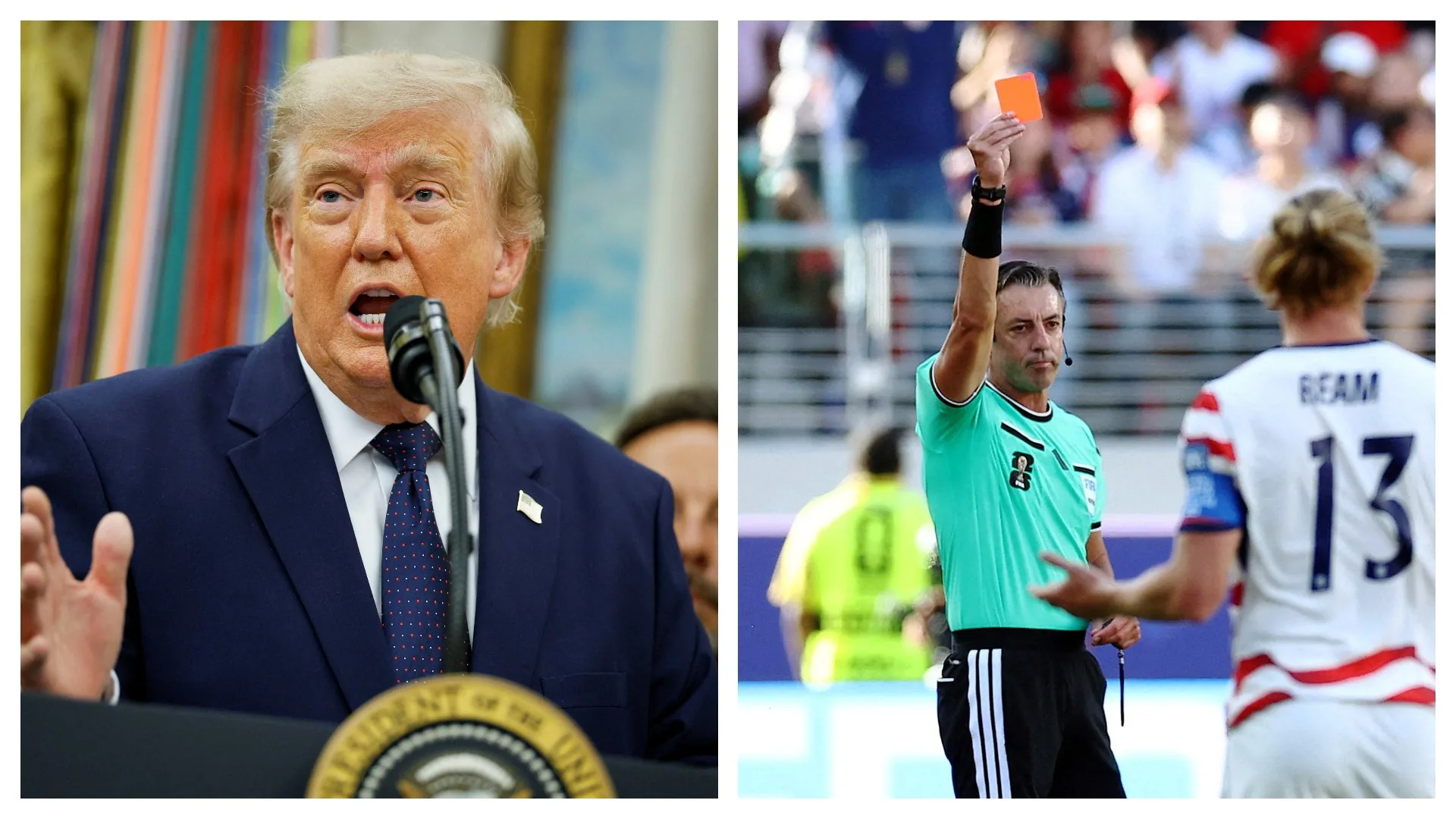
President Donald Trump is headed to Turkey for a summit of the North Atlantic Treaty Organization, as the alliance is squeezed by Russia's continuing military aggression in Ukraine and America's growing insistence that NATO members quickly beef up their defense spending. Those pressing concerns come on top of lingering controversies surrounding the U.S.' war against Iran and its prior attempts to take over Greenland, a territory of NATO member Denmark. Trump is a central figure in all of those issues.
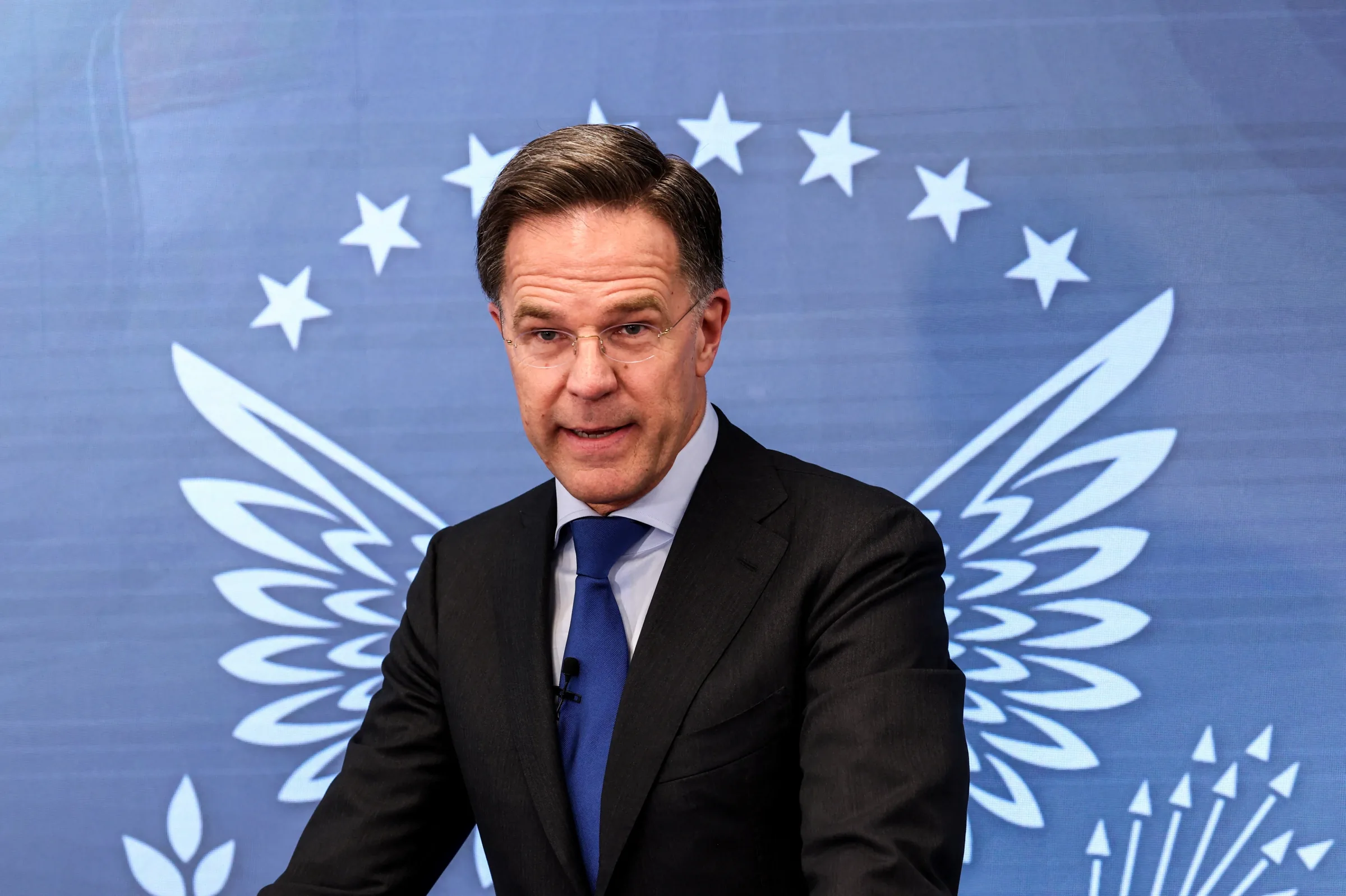
"I can imagine so many issues where this could go wrong," Michael O'Hanlon of the Brookings Institution told CNBC's "The Exchange" on Monday in a preview of the summit. A positive outcome for the gathering would include NATO making headway on sharing its military spending burden, and finding more ways to put pressure on Russian President Vladimir Putin, O'Hanlon said. Progress on the former goal appears to be within reach: NATO Secretary General Mark Rutte in May said that the task ahead is "to turn Allied commitments into concrete results" at the summit.
But the prospect of a breakdown in talks looms large, as Trump has frequently vented about NATO, including its members' refusal to heed the U.S. calls for help clearing the economically vital Strait of Hormuz during its campaign against Iran. "I don't expect great things, but even incremental progress and no blow-up would be welcome," O'Hanlon said.
Trump's schedule Trump is set to arrive in Ankara on Tuesday afternoon after departing the U.S. on Monday evening, White House spokeswoman Anna Kelly told reporters in a call previewing the trip. He is slated to meet with Turkish President Recep Tayyip Erdogan upon arrival, then participate in a bilateral meeting with him after an arrival ceremony, followed by a NATO leaders' dinner.
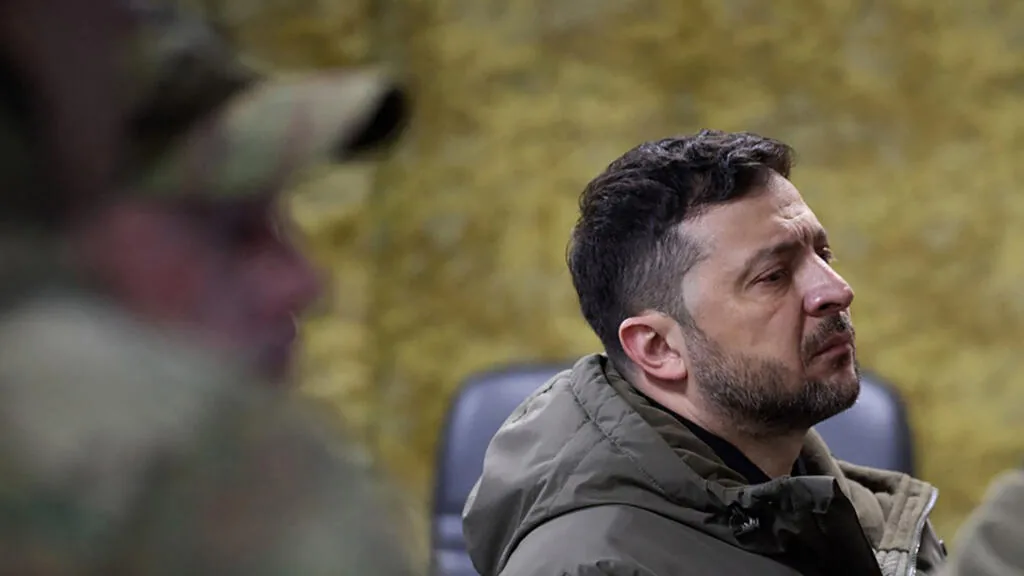
After a "family photo" with the leaders on Wednesday morning, Trump will join a working session, then hold bilats with Zelenskyy and Syrian President Ahmed Hussein al-Sharaa. Trump will hold a press conference, then depart Ankara for the White House, Kelly said. Russian attacks On Sunday, Russia bombarded Ukraine's capital city of Kyiv with dozens of missiles and hundreds of strike drones, killing at least 11 and injuring scores more, according to Ukrainian President Volodymyr Zelenskyy and media reports.
The attacks on the eve of the summit, which Zelenskyy is slated to attend, ensured that the war will be a pressing focus for the 32-member alliance, who have already labeled Putin's war in Ukraine the "gravest threat to Euro-Atlantic security in decades." One day before the strikes, Trump and Putin held a "business-like and constructive" phone call that was initiated by the U.S. and lasted nearly 90 minutes, the Kremlin said. Trump stressed in the call that Russia and America could realize their "colossal potential for mutually beneficial cooperation" once the war in Ukraine ends, while Putin portrayed a rosy picture of Russian military efforts as the "real situation on the battlefield," according to Putin aide Yuri Ushakov.
Trump also spoke that day with Zelenskyy, who later declared that the strikes on Kyiv underscore Ukraine's desperate need for additional military aid — especially from the U.S.






Comentários (0)
Entre ou cadastre-se para comentar.