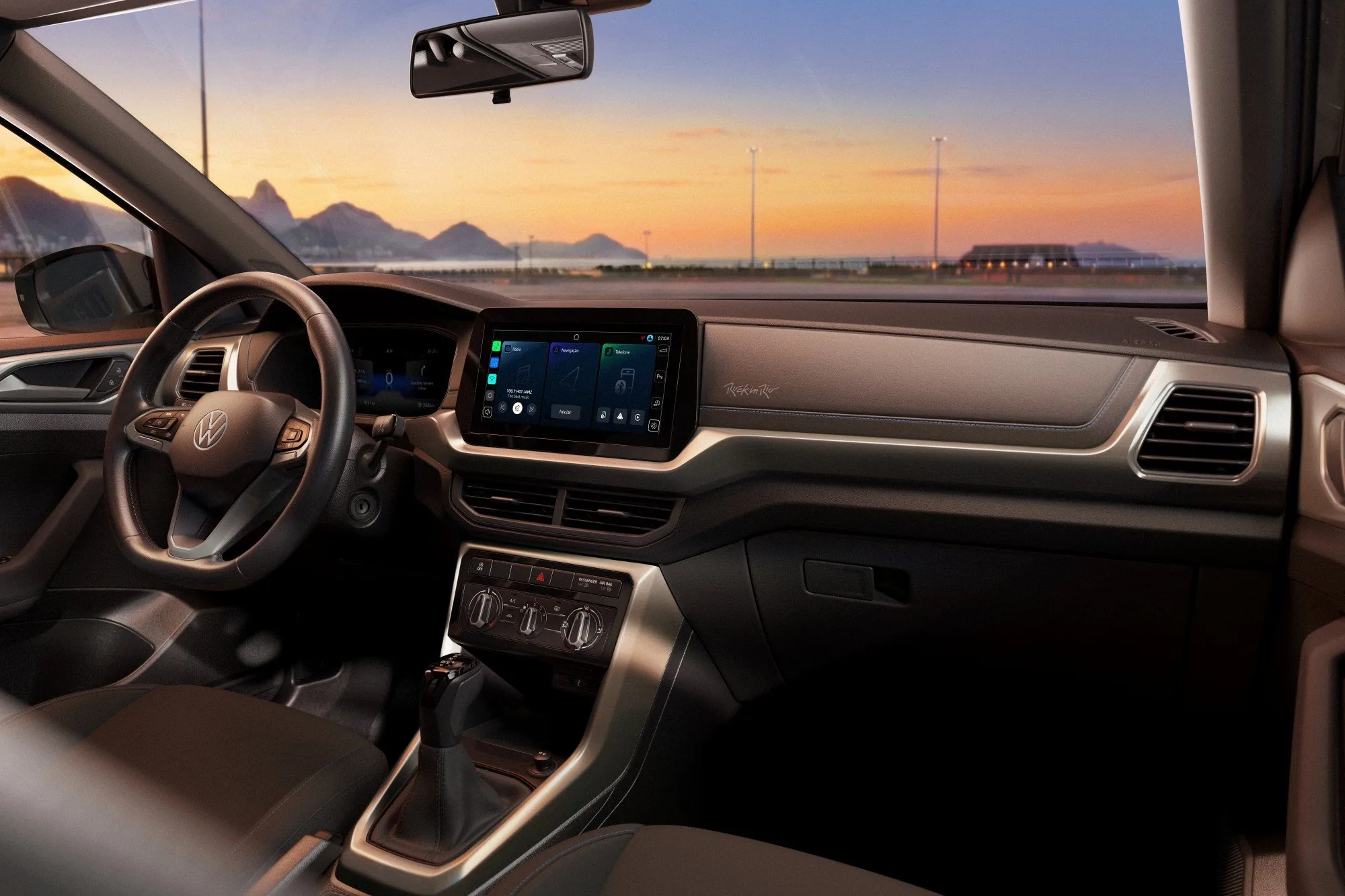
How Volkswagen ended up with a huge workforce July 7, 2026Volkswagen has built one of the largest workforces in the global auto industry. At nearly 630,000 people — 680,000 if you count joint ventures in China — VW employs around 60% more workers than Toyota, 140% more than Stellantis and nearly 240% more than Ford. That headcount was once a sign of Germany's industrial might and VW's huge profits.
Now, it's become a massive burden, one that's forcing the company to make painful job cuts to survive against agile Chinese competitors. After already trimming thousands of positions last year as profits came under pressure, Volkswagen is now preparing to slash up to 100,000 jobs worldwide, including tens of thousands in Germany. It also wants to close four German factories.
These cuts include VW luxury brands like Porsche and Audi. Other German automakers and suppliers are facing similar pressures. Mercedes-Benz is planning to cut several thousand jobs, and suppliers like Bosch have announced large cost savings.
How VW got to this point Much of VW's headcount issue stems from long-standing strategic decisions. Meghan Ostertag, an analyst for economic policy at the US-based Information Technology and Innovation Foundation, says VW's much larger workforce was needed because the firm chose to control more stages of production than its peers. "The company makes many of its components and software internally, increasing the demand for labor and, of course, labor costs," Ostertag told DW, adding that factory expenses in Germany can be "up to twice those of the competition." Other experts point to an aggressive acquisition strategy over the years, which brought brands including Skoda, Porsche, SEAT and Bugatti into the VW fold — not to mention several truck makers.
"That strategy worked to some extent, but the complexities of integrating all those brands, supply chains and different designs make VW very complicated to operate," Daniel Harrison, senior automotive analyst at the London-based Ultima Media, told DW. Why the VW model broke Although Volkswagen survived the 2015 Dieselgate emissions scandal without suffering lasting financial damage, the company incurred massive costs and soon faced a new set of problems. The company was slow to transition its production to electric vehicles (EVs) — just as Chinese EV makers gained serious traction and a technological edge.
That delay contributed to slower sales in China, which accounted for a third of total VW sales, as well as softening demand in Europe and other key markets. VW also repeated a mistake made by the US auto industry decades earlier. In the 1960s and 1970s, the Big Three — Ford, GM, and Chrysler (now part of Stellantis) — were bloated and slow to adapt when Japanese and European competitors began eating into their market share.
By the time US carmakers shifted toward leaner production methods, a decade had passed, and they had fallen significantly behind, noted Ostertag. Toyota, which produces a similar number of vehicles as VW, operates with nearly half the workers by relying more on suppliers, higher automation, and a simpler management structure.







Comentários (0)
Entre ou cadastre-se para comentar.