
Dodging snipers, housing crisis forces Yemenis to live on front line Living near Taiz’s front line forces families to make difficult choices amid sniper threats and economic hardship. Taiz, Yemen – Um Yousef knew that living on the front line in Taiz was dangerous. The area had been quieter for the past few years thanks to a general de-escalation of the war in Yemen, but it still lay between territory controlled by Yemeni government forces and Houthi rebels.
Destroyed buildings mark the city’s front line areas, evidence of the brutal fighting that has lasted for more than a decade. Recommended Stories list of 3 items- list 1 of 3Oman talking with Tehran on Hormuz as US and Iran continue strikes - list 2 of 3Yemen’s valleys and farms are full of dangerous plastic waste - list 3 of 3US attacks Iran as Houthis allow Chinese ships to pass: What’s the latest? But Um Yousef felt that she didn’t have a choice.
A single mother of four children in her 40s, she couldn’t afford the typical market rate of about $130 for a three-bedroom house in the central Yemeni city. Her husband died years ago while working abroad, so she was the sole breadwinner for the family in a country where poverty has increased sharply since the war began more than a decade ago. “There is a huge demand for houses, and all my efforts failed while I was living in a single room with my children,” recalled Um Yousef, who asked to use a pseudonym for security reasons.
“It was very difficult to stay in that one room.” After eight months of moving from one area to another, and even searching on the outskirts of Taiz, she ultimately decided that her only option was a home near the front line. Yes, it was dangerous, but with little money coming in, the home she found for about $13 a month couldn’t be ignored. In January 2025, the family made the move.
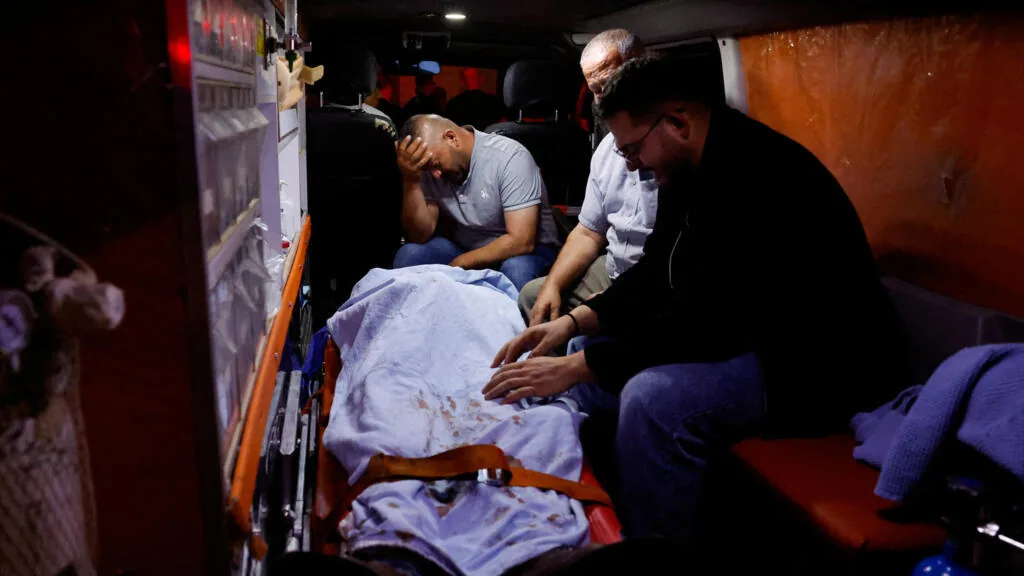
Two months later, her 11-year-old son came into the house from playing outside with blood pouring out of his mouth – he’d been shot. Sniper danger “I couldn’t understand what happened – I didn’t hear any gunfire,” Um Yousef said. She still doesn’t know the exact cause of the shooting, but many of the casualties near Yemen’s front lines are the result of sniper fire.
Taiz is particularly dangerous in this regard. The front line going through the city is one of the few in the country in an urban area. The city’s geography, hilly and with a mountain overlooking it, offers numerous vantage points for snipers.
A United Nations monitoring project found that 66 percent of all civilian casualties from sniper shootings in Yemen last year were in Taiz. Of the 21 cases recorded, nine were children. Thankfully, Um Yousef’s son’s injuries were not as serious as first feared.
After being immediately taken to hospital, he received medical treatment and was discharged the next day. The incident woke Um Yousef up to the reality of where she had brought her children to. But she still can’t afford to move.
Instead, she has had no choice but to stay and learn ways to reduce the risk. “Residents here take precautions I wasn’t aware of, like turning off lights at night in rooms visible from a distance, and keeping children from playing in open areas,” she explained.






Comentários (0)
Entre ou cadastre-se para comentar.