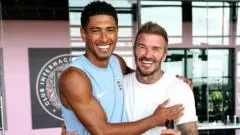
Why Beckham was face of World Cup in the US - Published In America, nobody sells football quite like David Beckham. During this World Cup, the former England captain has been impossible to miss. On the pitch, the tournament belongs to stars like Kylian Mbappe, Jude Bellingham, Lamine Yamal and Lionel Messi.
Off the pitch, Sir David has become the face of the World Cup, fronting advertising campaigns for 11 brands ranging from McDonald's and Major League Soccer to Stella Artois, Home Depot and Bank of America. And if you haven't seen him during one of the many half-time commercial breaks, you've probably spotted him at the United States' opening match in Los Angeles, watching alongside his friend Tom Cruise. Just hours before that, Beckham had become the first professional footballer to receive a star on the Hollywood Walk of Fame, with actor Cruise once again by his side.
More recently, he was seen singing Wonderwall and Hey Jude as he celebrated Jude Bellingham's two goals against Norway that sent England into the semi-finals. "David speaks to so many different people. I think that's what's unique about him," said Stacy Jones, founder and CEO of the marketing agency Hollywood Branded.
"He brings in the female demographic because he is so sexy - but he appeals to men. He's an honest, good, authentic, down-to-earth type of individual. So you don't really get affronted by him." She felt Beckham had achieved something few celebrities manage, moving effortlessly between football, fashion, entertainment, business and the cult of celebrity.
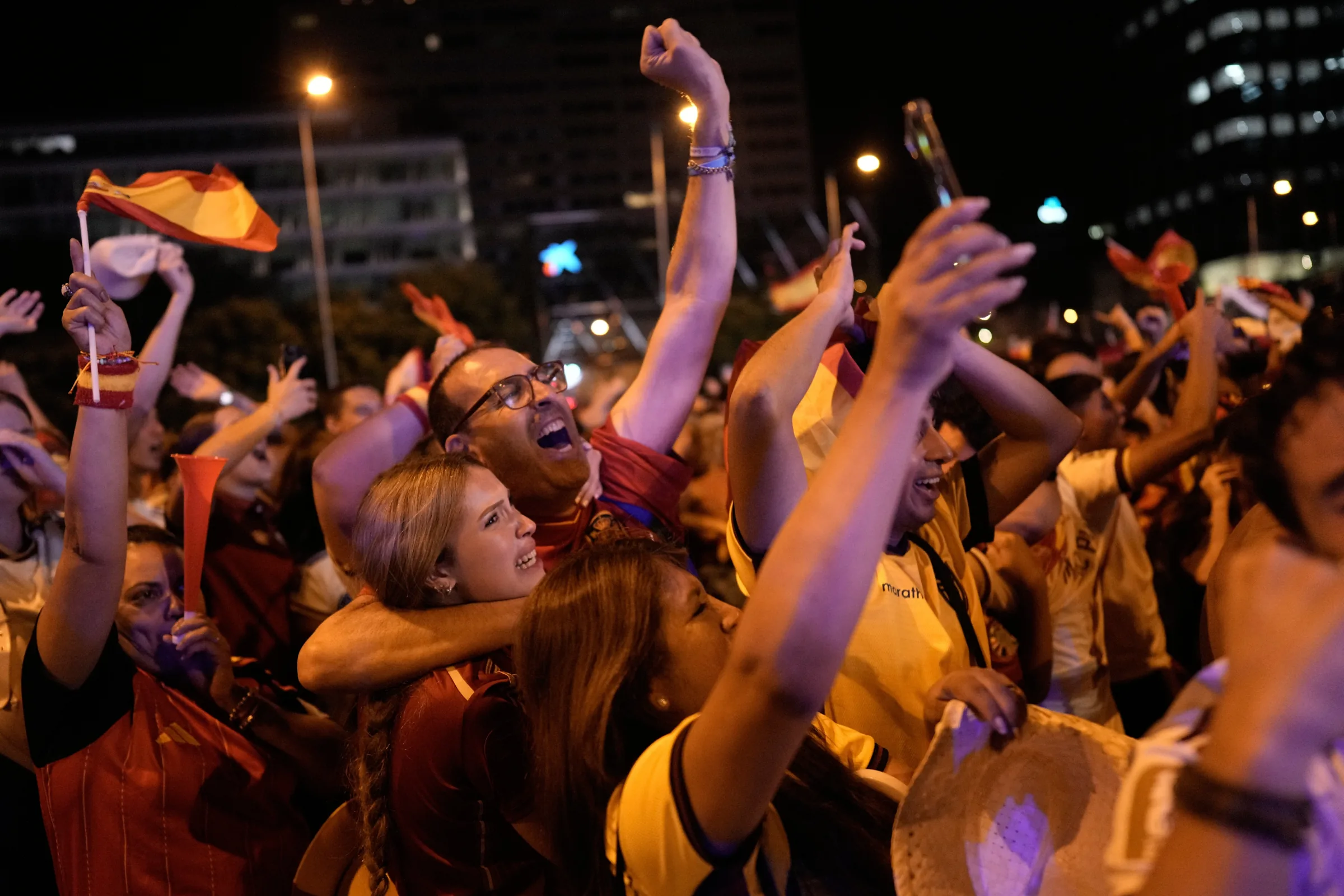
On Hermosa Beach, south of Los Angeles, hundreds of fans gathered to watch Spain reach the World Cup final at an event organised by LA Galaxy - the club Beckham joined in 2007 from Real Madrid. Ask fans what comes to mind when they hear the name David Beckham and the answers come quickly. "Bending it." "His free-kicks." "Victoria Beckham." "Handsome." "The Spice Girls." "The McDonald's advert." "David Beckham was a really good player for England, but he's doing too many commercials now," said one football fan.
For Megan Hapeman, it's the recent McDonald's advert in which Beckham hopes to receive a cup featuring his own face. Her six-year-old son Oliver proudly told me he still has one. "When I got it, I was pretty proud," he said.
"Because Mommy liked it, I liked it too." That's exactly what brands are buying. Beckham transcends clubs, generations and even football itself. 'He changed the fate of American soccer' That broad appeal didn't happen by accident.
It was built on Beckham's football legacy in America. He remains the player with the trademark free-kicks, part of Manchester United's Treble-winning side in 1999, England captain and one of Real Madrid's original Galácticos. Dan Courtemanche, Major League Soccer's executive vice-president and chief communications officer, admitted Beckham's influence on the game in America cannot be overstated.
"I always tell people he changed the fate of American soccer. Not once, but twice," he said. When Beckham signed for LA Galaxy 19 years ago, stadiums across Major League Soccer sold out before he had even played a competitive match.

Comentários (0)
Entre ou cadastre-se para comentar.