How does AI make you feel? Are you excited to “vibe-code” your smart home ? Or anxious about all the added pollution and billions of gallons of water used by data centers?
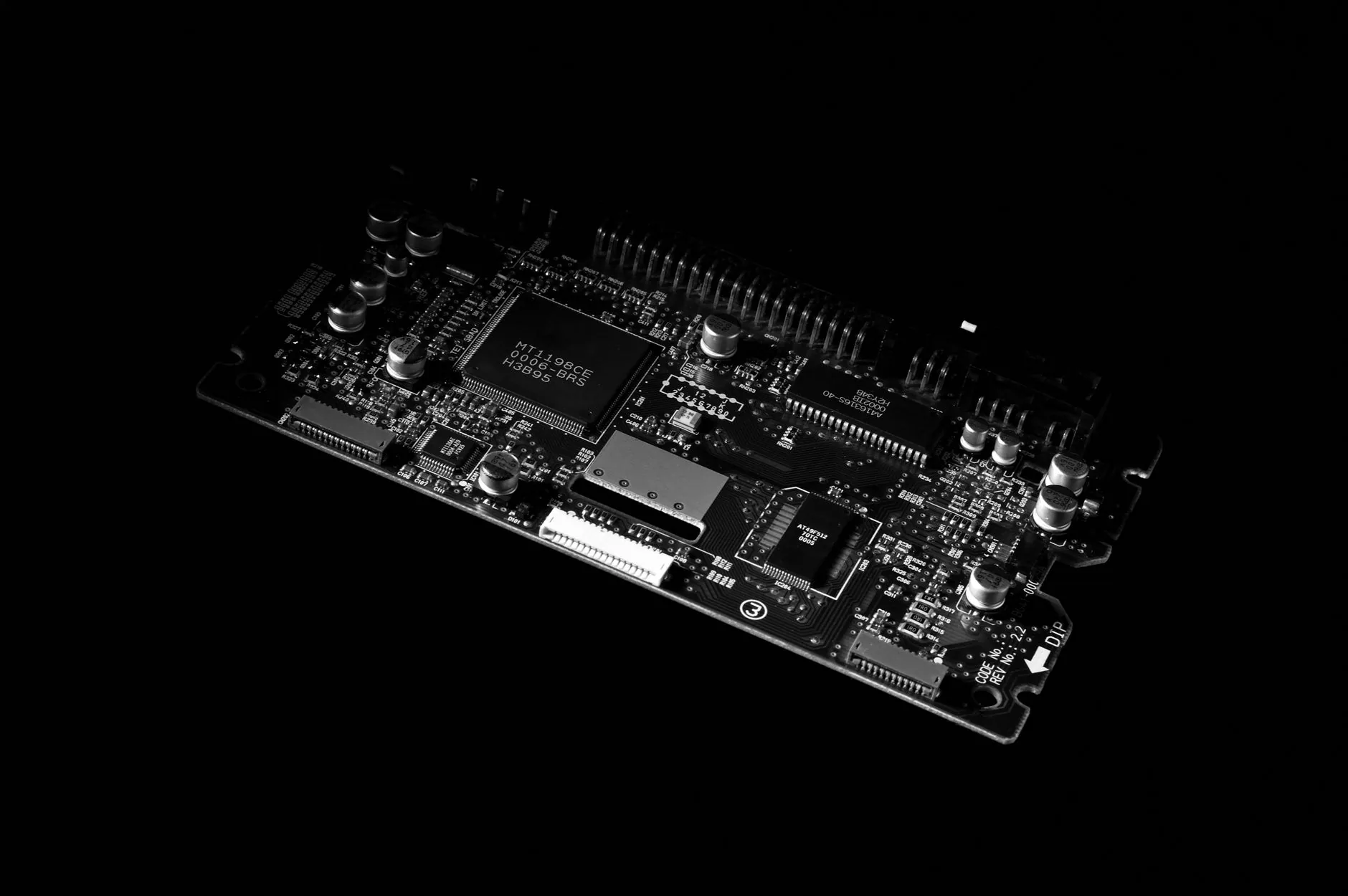
Dig a little deeper and you’ll start to question the actual value of the GPUs that underpin all the leaps and promises of generative AI. Right now, GPUs, hundreds of thousands of them, are being crammed into data centers around the world to power the AI boom. These chips are also found in everything from smartphones to cars to gaming PCs. Nvidia — once a niche chipmaker that has become the world’s most valuable company — still brags about releasing what it calls “the world’s first GPU” and a “gaming breakthrough” in 1999, although some trace the origins of the GPU back to at least the ’70s with graphics hardware used in arcade games. “There are massive hardware developments that start because of games,” says Catherine Flick, a professor of ethics and games technology at University of Staffordshire.
And whether it’s a testbed for new graphics processing units or the development of virtual reality and AI, “all these sorts of things that have quite significant ethical issues, a lot of these start with games,” Flick says. So since its inception, the GPU has been at the root of some of the biggest ethical questions new technologies pose. What impact do games, and now AI chatbots, have on how we interact with the world around us?
Whether mining for raw materials or exposing workers to toxic chemicals in semiconductor factories , GPU manufacturing can leave behind a big mess. Collectively, GPUs warehoused in data centers burn through an enormous amount of water and energy, which can lead to more air pollution and greenhouse gas emissions causing climate change. And at the end of its life, a GPU can do even more damage in the form of e-waste. What’s worth taking those risks?
Do potential AI-driven advances in weather forecasting or wildlife conservation justify the environmental footprint of a data center? And what about the GPUs in a gaming PC or iPhone — do they deserve just as much scrutiny? Hitting close to home While GPUs have been around for a long time, AI has thrust them into the spotlight in a way that, quite literally, hits close to home for many Americans . The US has far more data centers than any other country and has plans to build many more.
As tech companies race to expand a new generation of hyperscale data centers for AI, communities are grappling with the prospect of having these hulking warehouses full of servers as their neighbors. “Isn’t it nice to have the environment as a scapegoat?” As an environmental journalist, I sometimes get comments on my stories about whether these data centers or AI models are being unfairly portrayed as the menacing new bogeyman, especially when other industries — like fast fashion, for example — exacerbate climate change and pollute the environment. And as for GPUs, they’re not just found in data centers, but also in consumer electronics. So why single out AI for its sustainability issues? Some venture capitalists have blamed AI’s slow consumer uptake on the bad press surrounding its environmental impact.









Comentários (0)
Entre ou cadastre-se para comentar.