US-China AI rivalry heats up as Chinese models gain ground July 23, 2026In what seems like the blink of an eye, China has gone from being up to five years behind the United States in top-tier artificial intelligence (AI) to lagging by just a few months. While US players, including Anthropic's Claude and OpenAI's ChatGPT, have spent hundreds of billions of dollars to push the frontier of AI, China has pursued a very different path. Faced with US curbs on high-end chips that help AI to do its most advanced thinking, Chinese tech firms have prioritized dozens of open-source AI models built on "good enough" technology.
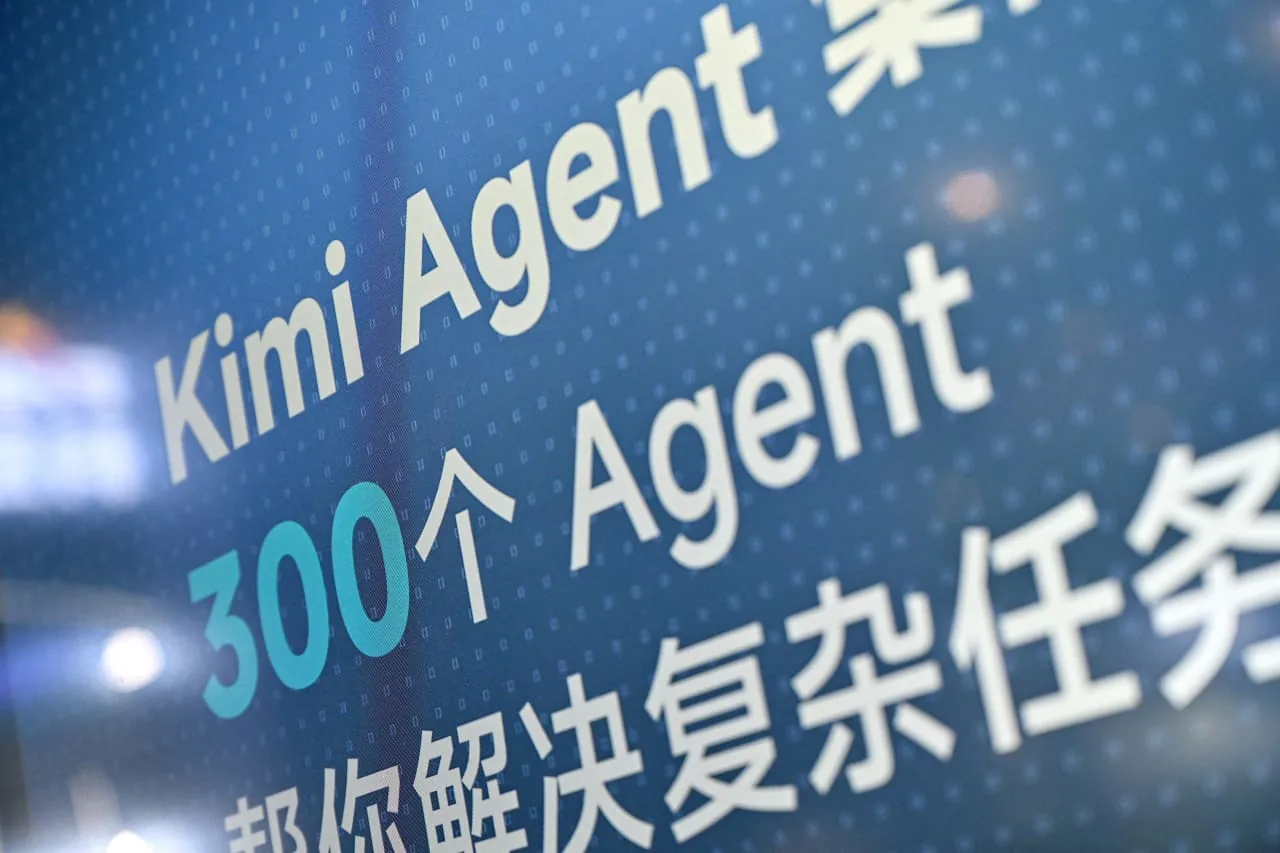
These platforms, including DeepSeek, Alibaba's Qwen and Xiaomi's MiMo, are now widely deployed across Chinese businesses, government services and consumer devices. Chinese AI models narrow gap with US leaders In the latest sign of the gap closing, Chinese startup Moonshot AI last week unveiled Kimi K3, a model that rivals one of the most advanced AI models — Anthropic's Claude Fable 5 — on key benchmarks. In some tests, Kimi K3 matches or even surpasses Claude with far less computing power and at a fraction of the cost.
Global technology specialist Alvin W. Graylin thinks Kimi K3's arrival turns high-end AI from an expensive luxury into something practical and affordable. Kimi K3 "commoditizes frontier models," Graylin told DW.
"For 98% of customers, the 1 to 2% difference [in knowledge] isn't worth paying 10 to 20 times more." Washington raises concerns over AI distillation China's latest advance has already drawn a strong reaction from Washington, with US President Donald Trump now threatening to block US access to Chinese AI models. Treasury Secretary Scott Bessent, meanwhile, warned earlier this week that the US could sanction Chinese models over alleged intellectual property (IP) theft. Anthropic and OpenAI have accused Chinese labs of using their models to train their own systems, a process known as distilling.
While distilling is a common practice by AI labs worldwide to a limited extent, the companies say their models have been bombarded with queries to harvest advanced reasoning. The White House warned in April that China was doing it on an "industrial scale." Beijing has hit back, rejecting the accusations as baseless and calling US threats of sanctions and model bans "technological bullying" to contain China's rise. Giulia Neaher, a research analyst at the Strategic Foresight Hub at the Washington-based Stimson Center think tank, downplayed the role of distilling in Kimi's progress.
"A great degree [of its success] is due to the talent, infrastructure and the resources that were poured into building this model," Neaher told DW. Why China's open-model approach is gaining traction Early in the development of modern AI, the US chose to keep the inner workings of its leading models closed. This approach allows Big Tech to maximize profits through subscriptions, licensing to businesses and pay-per-token usage.
By contrast, many leading Chinese AI developers have embraced open models. This means companies and developers can download and run the model on their servers and then fine-tune it to their specific needs.






Comentários (0)
Entre ou cadastre-se para comentar.