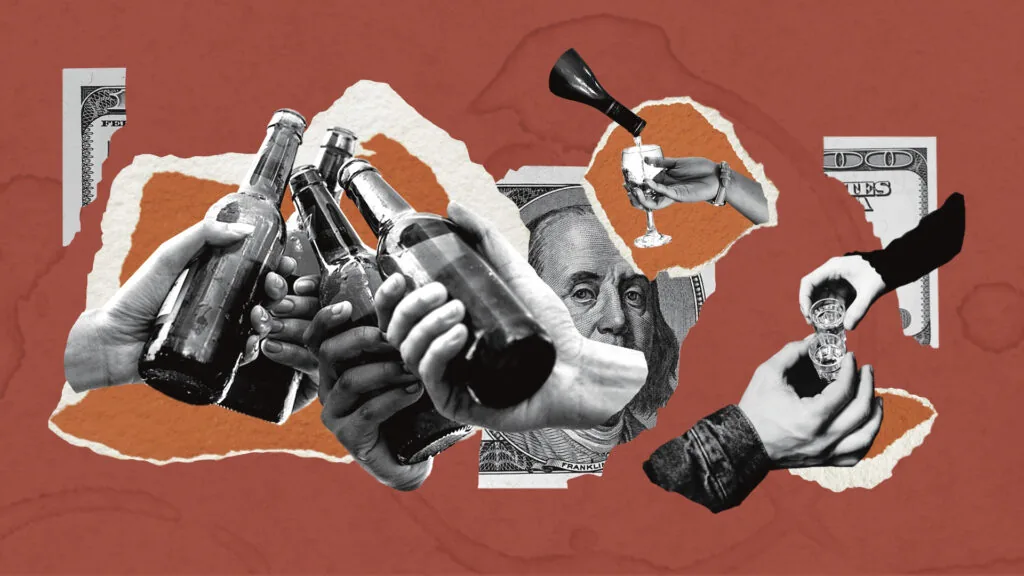
Len Lichtenfeld had a long-overdue apology to make. He was haunted in late 2024 by an exchange with a New York Times reporter almost a decade earlier, during which Lichtenfeld defended the American Cancer Society’s official stance that a drink or two a day was safe, even for cancer prevention. There was mounting evidence to the contrary, which he knew from epidemiologists on staff, but didn’t mention.
Lichtenfeld left something else out, too: Behind the scenes, the American Cancer Society was raking in millions of dollars from the alcohol industry through an annual New York City gala, the details of which are reported here for the first time. Lichtenfeld, an oncologist who was then deputy chief medical officer at ACS, told STAT he felt indirect pressure to keep those donors happy. “It stayed with me, because I knew it was a conflicted situation,” he said. In 2020, he was laid off from ACS as part of broader budget cuts, and the society separately changed its advice to say abstaining from alcohol is best for cancer prevention. Executives told STAT the shift in messaging was the result of a regularly scheduled update of nutrition guidelines. But they acknowledged that staff epidemiologists had pushed for a stronger alcohol statement since the late 2010s. “It was the right thing to do in 2020,” William Dahut, chief scientific officer at ACS, told STAT.
“The whole committee endorsed strongly where we stand now.” Despite the society’s eventual turnabout, Lichtenfeld’s interaction with the reporter “weighed heavily” on him, because it exemplified how special interests can trickle into public health messaging, he said. The United States’ attitude toward alcohol, its deadliest drug after tobacco, and the source of its most neglected addiction crisis, is a prime example. STAT’s investigation finds the alcohol trade has been enormously successful at using allies and money to its benefit, smothering proposals that might cut into its profits. Leveraging tactics that evoke the tobacco industry’s playbook, the industry has inserted itself into health philanthropy, federal science, and all levels of politics and policymaking. Continue to STAT+ to read the full story…








Comentários (0)
Entre ou cadastre-se para comentar.