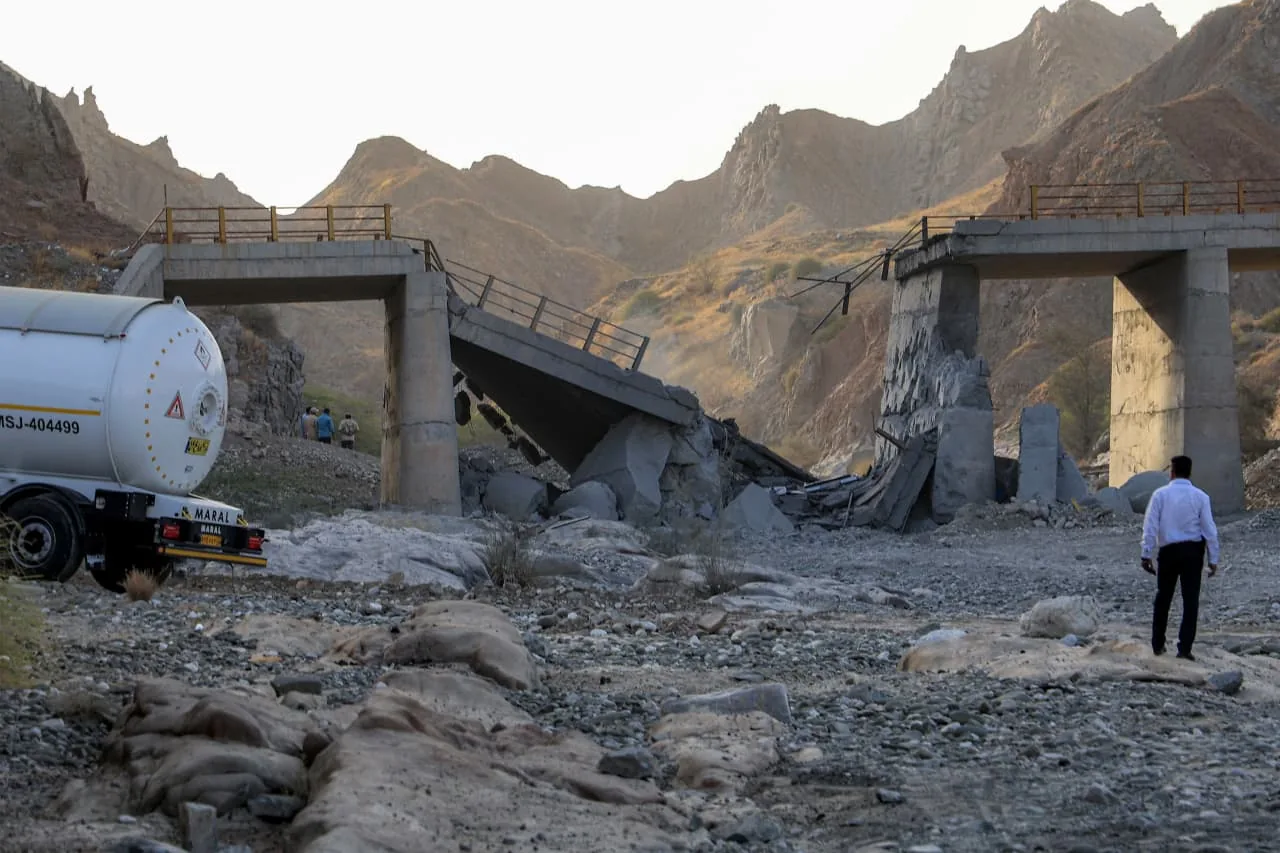
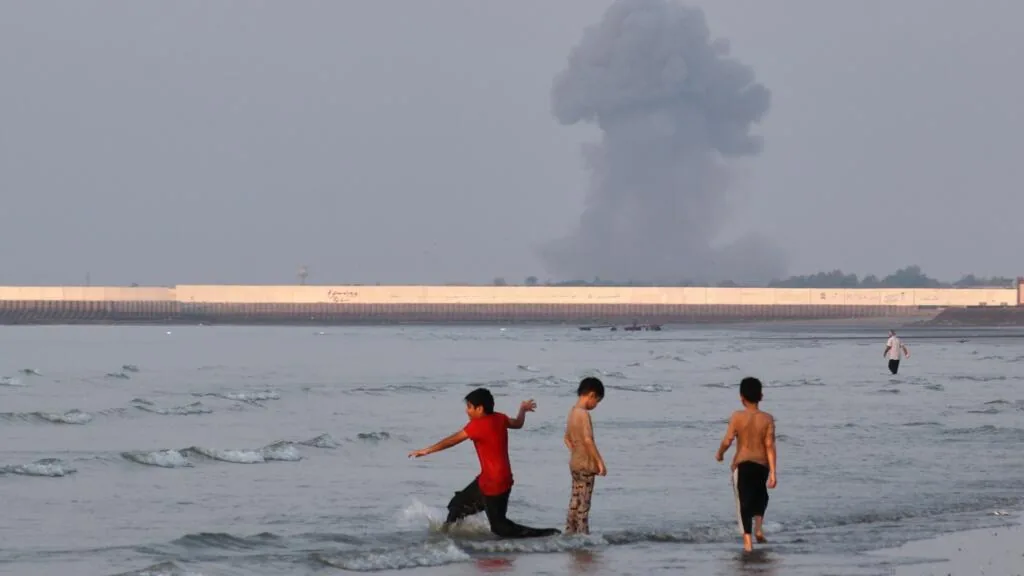
Since Islamabad MoU: What’s changed for the US, Iran and the Gulf? We explain how the war has changed for all the parties since their MoU unravelled and as the conflict has escalated. For the ninth consecutive night, the United States mounted attacks on Iran’s defence facilities and maritime capabilities into the early hours of Monday, with Tehran hitting back in tit-for-tat strikes as warning sirens blared in neighbouring Gulf countries and Jordan, home to US military bases.
Both sides have accused each other of violating the memorandum of understanding (MoU) they had signed in Islamabad, Pakistan, on June 17. US President Donald Trump has said he views the truce as over, while Iran has said it no longer intends to adhere to the MoU. Meanwhile, the Strait of Hormuz — through which 20 percent of the world’s oil and gas passed during peacetime — is shut again, sending crude prices shooting up yet again.
On Sunday, the US military said another American service member had been killed late last week, bringing the total number of deaths to 17. So, what has changed in the last two months for the US, Iran and the Gulf countries as the MoU has unravelled in terms of economic impact, widening of military targets, and how they view the war? Economy The Strait of Hormuz — the kill switch of the global economy — has been closed down by Iranian authorities, warning that not even a drop of oil shall pass through the waterway amid US attacks and a naval blockade against Iran’s ports.
The MoU had paved a path for the reopening of the strait. And that had briefly pulled oil prices to par with pre-war levels. The GCC The strait is of critical importance, especially for Gulf Cooperation Council (GCC) states, which saw their economic security and energy strategy severely affected by export curbs.
The war on Iran has brought about the largest disruption to global oil and liquefied natural gas (LNG) supplies in modern history. The costs go beyond just energy revenue losses, noted Mohammad Reza Farzanegan, an economist at Germany’s Marburg University. “The conflict also threatens the GCC countries’ diversification strategies.
Tourism, aviation, logistics, construction, real estate and foreign investment all depend on perceptions of regional stability,” he told Al Jazeera. “Continued war increases insurance and transport costs and encourages investors and tourists to reconsider their exposure to the region.” Iran For Iran, the MoU lifted the naval blockade against Iranian ports and offered oil and banking sanctions waivers, and Tehran rushed to export tens of millions of barrels of crude oil. The earlier US blockade had curbed Iranian exports, with Iran’s parliament speaker and chief negotiator, Mohammad Bagher Ghalibaf, telling Iranian state TV in an interview last month that “we did not export even one barrel” during the blockade.
However, as fighting resumed, the US disabled a vessel in the Strait of Hormuz, reported to be carrying Iranian crude. Tehran has also hit commercial vessels in the waterway, and the US has been bombing Iran’s coastal areas since then. “[The renewed US naval blockade] is more damaging than conventional sanctions because the restrictions are now enforced physically,” said Farzanegan.


Comentários (0)
Entre ou cadastre-se para comentar.