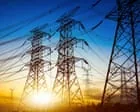
In a control room in Wokingham, Berkshire, staff work around the clock, minute by minute, to align Great Britain’s fluctuating power supplies with its ever-changing demand. However, as households struggle to adapt to soaring summer temperatures, staff at the government-owned National Energy System Operator (Neso), tasked with keeping the lights on, have faced the kind of challenge usually reserved for the country’s coldest winter nights in recent weeks. The high pressure “heat dome” that descended on Europe in late June caused wind turbines to slow, gas power plants to falter, and the French nuclear plants exporting electricity to Britain to power down.
Meanwhile, electricity demand for air conditioning and refrigeration units jumped as Britons attempted to stay cool. The task of keeping the grid’s electricity supplies stable during the June and July heatwaves was set against the backdrop of a political row, and a culture war over Britain’s ambitious clean energy targets and the cost of reaching net zero. Earlier this month the shadow energy secretary, Claire Coutinho, told parliament that whistleblowers from within Neso had accused senior managers of being involved in a cover-up over the extent of the power system strain during record high temperatures in the UK and mainland Europe in late June.
The accusations included the claim that control room staff were ordered by senior managers to forgo normal note-keeping to avoid creating a full audit trail of their efforts to stabilise the power system. Whistleblowers have also alleged that members of the corporate affairs team attempted to pressure operators to make decisions that would protect the organisation’s reputation, Coutinho said. The employees came forward because they were “worried that the grid is becoming increasingly unmanageable” and that senior bosses were “risking blackouts to protect Neso’s reputation”, she said.
“If true, this is nothing short of a scandal.” Last week, Neso said that it had brought in independent investigators from the law firm Eversheds Sutherland to examine the accusations. So what do we know about how the system operator handled the heatwave? The whistleblower allegations focus on the last week of June.
It was a week that demonstrated that summer heatwaves can “now create system conditions traditionally associated with winter scarcity events”, according to LCP Delta, a consultancy. During that week, Neso issued a string of emergency measures to shore up Great Britain’s electricity supplies, marking the first time these tools were used during a summer period. To underline the challenge, figures this week showed Neso spent almost £800,000 getting consumers to use less electricity than normal between mid-April and mid-July, according to the Financial Times.
Despite these levers, the frequency of the grid – which Neso aims to keep at about 50Hz – fell to the edge of its operational limits of between 49.8Hz and 50.2Hz. The operation range, which is used to prevent blackouts, remained under pressure for the better part of an hour on 23 June. The lowest recorded frequency was 49.66Hz, still well above the statutory lower limit of 49.5Hz.







Comentários (0)
Entre ou cadastre-se para comentar.