Pandemics like the great influenza of 1918-1919 and Covid-19 are often viewed and treated as health care challenges. That view, however, is far too narrow. They should be viewed and combated as threats to national security, too.
Why treat pandemics as national security threats? Because that’s what they are. Framing the danger this way would inform and motivate reforms that strengthen our pandemic defenses and reduce the devastation pandemics inflict.
Though definitions of national security can vary, the U.S. Congressional Research Service notes that it may encompass protecting a diverse range of critical national interests, ranging from counterterrorism to economic welfare to supply chain security to global public health. By this standard, Covid was an unparalleled national security disaster.
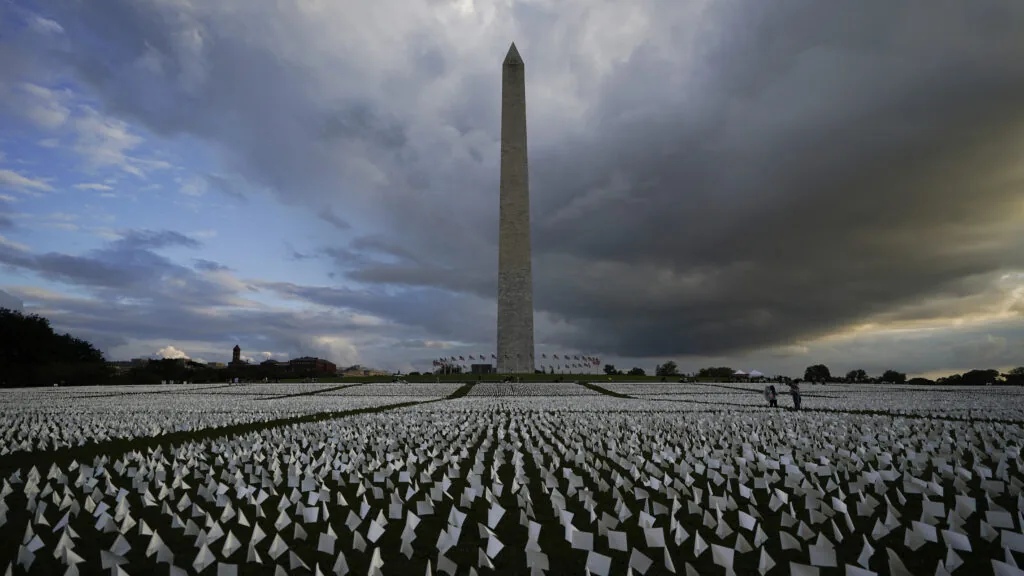
In the 250 years since America’s founding, all the nation’s wars combined claimed just over 1.3 million lives. From 2020 to 2026, Covid-19 took over 1.2 million. The disease savaged the American economy, set back the education of a generation of American children, inflamed political divisions, and undermined confidence in vital public health protections, including vaccination.
The events of Sept. 11, tragic as they were, pale in comparison. And all this happened despite the near miracle of effective Covid vaccines developed in 11 months.
The next pandemic could be worse. For one thing, artificial intelligence could enable rogue actors to design new, potentially devastating pathogens at scale. We certainly can’t count on Operation Warp Speed-style successes to tame future contagions.
Yet we assign far lower priority to defending against these infectious dangers than to terrorist threats that, worrisome as they are, have never inflicted anything like Covid’s damage on the American homeland. (Just think about airport security.) Recognizing the national security implications of threatened pandemics would establish a framework for a much-needed top-to-bottom review of our approach to infectious threats. This should start in the White House.
Preventing and responding to threatened pandemics requires society-wide mobilization, and only the president can lead that process. Presidents, therefore, need the same or better-quality advice and support for pandemic defense as they get for military and terrorist threats. The National Security Council (NSC) is the president’s go-to resource to protect national security, but when Covid struck, the NSC had no standing expertise on biosecurity.
After Covid subsided, Congress tried to fill this NSC gap by legislating a new White House Office of Pandemic Preparedness and Response but provided no funding to staff it. The OPPR is now virtually defunct. The White House remains underprepared to manage infectious threats.
A national security orientation would also highlight the need for our intelligence community to participate more effectively in international infectious disease surveillance and response. As we report in our new book “Whiplash: From the Battle for Obamacare to the War on Science,” when officials from the Centers for Disease Control and Prevention had trouble getting information on Covid from secretive Chinese authorities, they got little assistance from the National Security Agency or the rest of the intelligence community, which did not regard pandemics as their problem.









Comentários (0)
Entre ou cadastre-se para comentar.