
Iran attacks five Gulf nations, shuts Hormuz after US bombing: All to know Tehran hits back at several GCC countries, following the most intense US bombing since an MoU was signed last month. Iran has mounted attacks on Gulf states and declared the Strait of Hormuz closed after the United States conducted its third round of strikes in a week, in a serious escalation as the ongoing conflict spirals. Tehran on Sunday claimed attacks on Bahrain, Kuwait, Jordan, Qatar and Oman, calling them its response to renewed US bombings on cities along its southern coast.
Recommended Stories list of 4 items- list 1 of 4US attacks Iran overnight; Tehran targets US sites in the region - list 2 of 4Hormuz shipping in focus as Iran-US rhetoric heats up - list 3 of 4Trump trades threats with Iran’s leader, Araghchi holds talks with Omani FM - list 4 of 4Trump administration subpoenas New York Times reporters over coverage The widescale US strikes came after Iran shut the Strait of Hormuz — a critical waterway and one of the biggest flashpoints in the conflict — accusing Washington of violating a memorandum of understanding (MoU) signed between the two sides last month. So, where is the conflict headed? Here is everything we know.
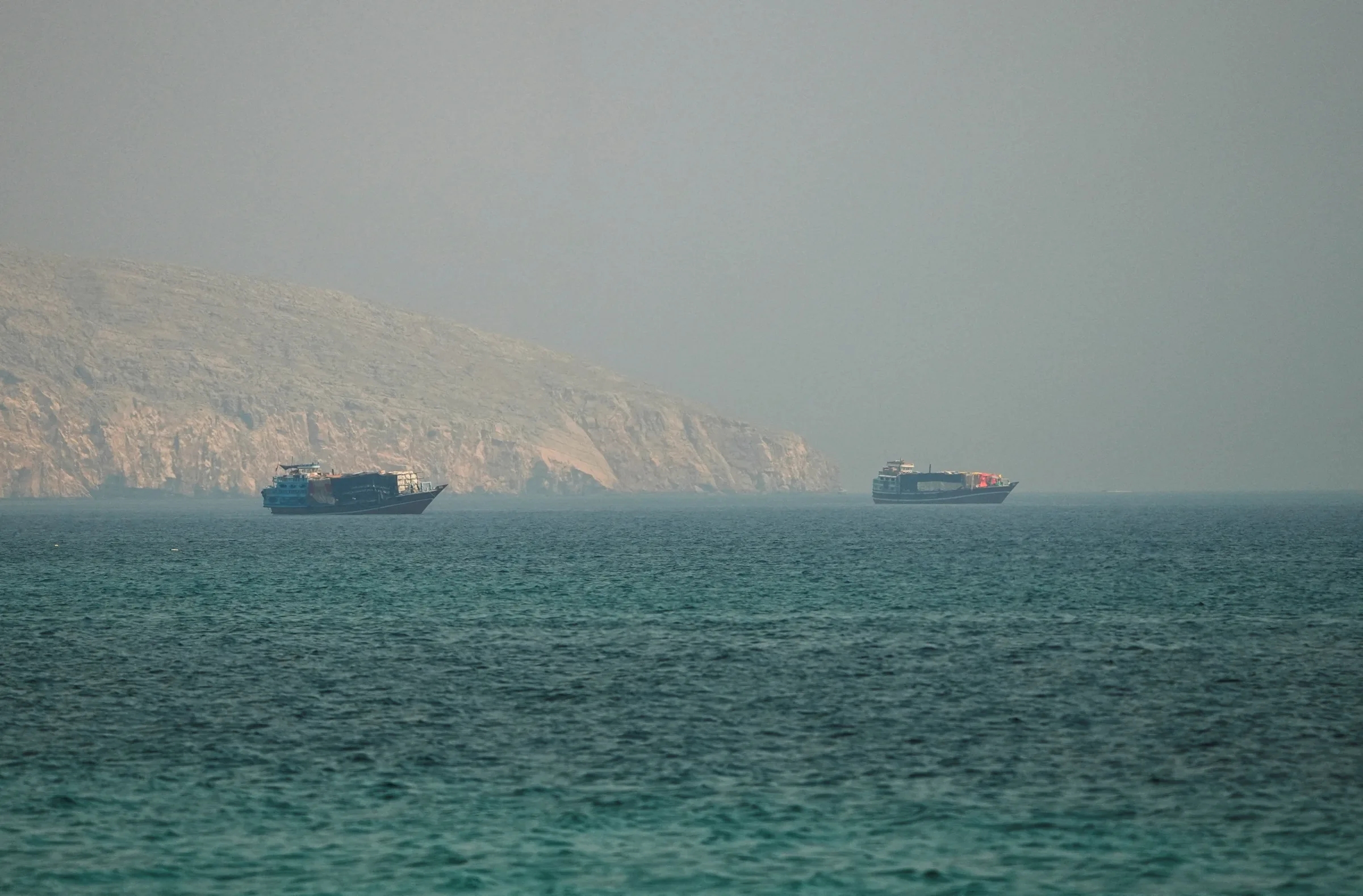
Why has Iran attacked Gulf states and closed Hormuz? Iran launched missile and drone attacks targeting US military bases and facilities in several Gulf states, while the US Central Command (CENTCOM) carried out a third round of strikes targeting radar, missile, and drone sites across southern Iran last week. The US attacks came after Iran opened fire on commercial vessels in the Strait of Hormuz and announced the closure of the strategic waterway until further notice, with one crew member missing, according to CENTCOM.
Iran’s powerful parliament speaker and key peace negotiator, Mohammad Bagher Ghalibaf, said on Sunday, “The era of one-sided deals is over.” “We told you: keep your word or pay the price. Reality is knocking,” Ghalibaf posted on X with an image of Article 5 of the MoU, which relates to the reopening of the Strait of Hormuz. On Wednesday, US President Donald Trump announced that the ceasefire with Iran was over.
His statement was followed by Iran’s Supreme Leader Mojtaba Khamenei pledging to avenge his father’s killing. How did we reach here? The fragile MoU reached between the US and Iran had several glaring gaps, keeping the door to escalation ajar.
The tensions spilled over into the Strait of Hormuz again last Monday, when Iran’s Islamic Revolutionary Guard Corps (IRGC) struck three commercial vessels, including a Qatari liquefied natural gas (LNG) tanker off the coast of Oman. The next day, the US carried out strikes on Iranian military targets, and Tehran responded with missile and drone attacks on US bases across the Gulf, prompting Trump to call off the ceasefire. The tit-for-tat attacks continued.
On Saturday night, the IRGC announced the closure of the Strait of Hormuz until further notice after attacking a container ship using what it called an unapproved route. On Sunday, a second vessel on the strait was hit. Where did the latest US strikes hit?
CENTCOM said its third round of strikes on Iran last week was “holding Iranian forces accountable” for their recent attack on a Cyprus-flagged ship in the Strait of Hormuz.





Comentários (0)
Entre ou cadastre-se para comentar.