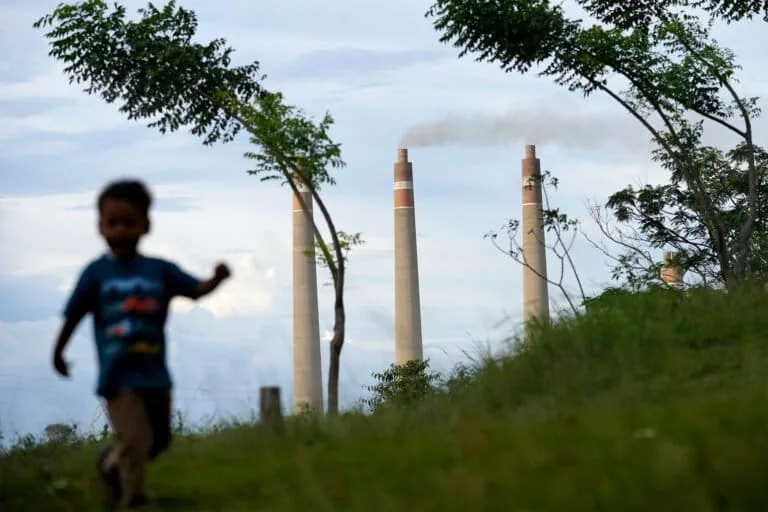
JAKARTA — Calls are mounting for Indonesia to accelerate its energy transition after widespread blackouts struck Java and Sumatra in recent weeks, exposing what analysts say are deep vulnerabilities in a power system that remains highly centralized and heavily dependent on coal. In late May, large parts of Sumatra lost electricity after a transmission line in Jambi failed. Just days later, a separate outage disrupted power across parts of Java, Indonesia’s most populous island and economic center.
While officials initially pointed to technical problems, state utility PLN later said constrained coal supplies had contributed to the Java outage. For energy analysts, the outages underscore a broader structural problem. “The dependence on a centralized, coal-dominated electricity system is a threat to energy supply security,” said Fabby Tumiwa, executive director of the Institute for Essential Services Reform (IESR).
To reduce the risk of more widespread outages, analysts at the Institute for Energy Economics and Financial Analysis (IEEFA), a U.S.-based think tank, said Indonesia should accelerate the deployment of decentralized renewable energy, particularly rooftop solar combined with battery energy storage systems (BESS). “For Indonesia, an archipelago of thousands of islands, rooftop solar combined with battery energy storage systems offers a viable alternative to diesel power, which can be costly and challenging to supply,” IEEFA researchers Mutya Yustika and Randi Bachtiar wrote in a recent analysis. Unlike fossil fuels, they noted, solar power is not vulnerable to fuel supply disruptions or price volatility.
Because rooftop systems can be installed on homes, businesses and industrial…This article was originally published on Mongabay









Comentários (0)
Entre ou cadastre-se para comentar.