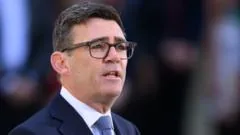
Burnham has big ideas - but what will they cost? - Published Up until this point, the new Prime Minister Andy Burnham has described his policy changes with a broad brush. From today, he faces the constraints, trade offs, and realities of high national office.
For example, Burnham has said Tuesday's announcements on cost of living support would be paid for. In other words, it would mean a tax rise or spending cut, so we will see rather quickly what the new PM prioritises when push comes to shove. Meanwhile, the markets seem to have already reacted to the suggestion he would be using some "flexibility" in his borrowing rules to help with new announcements.
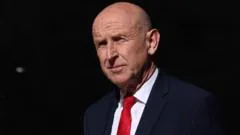
The UK government's 10-year borrowing rose above 5% on Monday after falling in recent days. It has not gone up in this way in other European economies. The move was not huge, but it shows the sensitivities at a moment when Burnham is overhauling his cabinet - including replacing Rachel Reeves as chancellor with former defence secretary John Healey.
The "flexibility" Burnham was talking about is, I understand, about the treatment of financial institutions. This has occurred in some green energy policies and essentially helps exempt certain types of borrowing from the measures of debt. There is scope for this model to extend to housing and other infrastructure.
It was not a general suggestion of, for example, using up the increased headroom against the government's borrowing rules. All this shows how every tricky decision and trade off is being watched by the country and the markets at the same time. Surprise choice of chancellor Healey is a surprise choice as chancellor but perhaps should not have been.
He spent half a decade in Gordon Brown's treasury with specific knowledge of that era's attempt to regenerate and devolve power - the Regional Development Agencies, later scrapped by the coalition government. No 10 is stressing that Burnham and Healey "have the same outlook" on the need to maintain economic stability and the current fiscal rules, reindustrialisation, devolution, helping people with the cost-of-living crisis and backing British jobs and British industry to drive growth across the country. But immediately there is a trade-off here.
Healey resigned as defence secretary last month over funding the defence settlement. He was literally calling for more defence spending, and some of the previous increases in defence funding came from cutting back home infrastructure spending on transport and on energy investment. How will he square those things as chancellor?
In his first comments as chancellor, Healey has told broadcasters that he will work "in lockstep" with the new PM "to meet the fiscal rules with a buffer against uncertainty", and making life more affordable. He had revealed he had just spoken to Andrew Bailey the Bank of England governor. Overall, Healey will probably calm any market jitters after Monday's uptick in government borrowing rates.
He quickly has to deliver a funded cost of living policy. Tax thresholds on the doorstep On policy, Burnham's camp has floated the idea of unfreezing the income tax threshold – and I'm taking it pretty seriously that this may happen.








Comentários (0)
Entre ou cadastre-se para comentar.