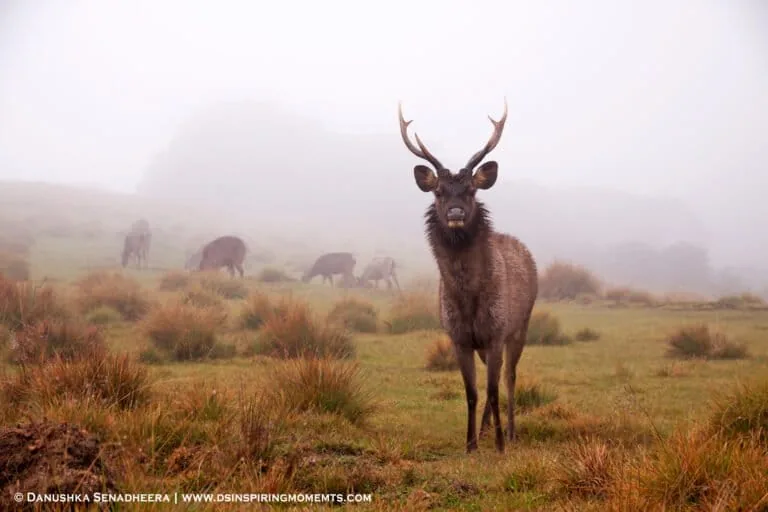
COLOMBO — Around 14% of Sri Lanka’s total land area is dedicated to wildlife protected areas, which includes more than 20 national parks. However, due to natural and anthropogenic factors, protected species such as leopards (Panthera pardus kotiya) and elephants (Elephas maximus maximus) living in these protected areas face continuous threats as their habitats continue to shrink. Wildlife authorities say they have worked hard to strengthen law enforcement in the past decade to reduce encroachment of national parks and other protected areas but have had limited success.
As Sri Lanka braces for an El Niño that is expected to hit the Indian Ocean island hard in November, wildlife enthusiasts and conservationists are expressing concern over managing animal populations inside these protected areas. A decade of encroachments The history of encroachment in Sri Lankan national parks dates to the colonial era and resettlement pressures following the armed conflict, which ended in May 2009. Srinath Dissanayake, a wildlife ranger with the Department of Wildlife Conservation (DWC), said that over the past 10 years, there had been limited encroachments in most national parks except for parks situated near the former conflict zones in the island’s North and East.
“The boundaries of most nature reserves and national parks were demarcated according to the Flora and Fauna Protection Ordinance (FFPO) No. 2 of 1937, which came into operation in 1938,” he told Mongabay. For example, the boundaries of Hakgala Strict Nature Reserve were demarcated in 2019, according to new regulations.“The DWC offices were established during…This article was originally published on Mongabay






Comentários (0)
Entre ou cadastre-se para comentar.